
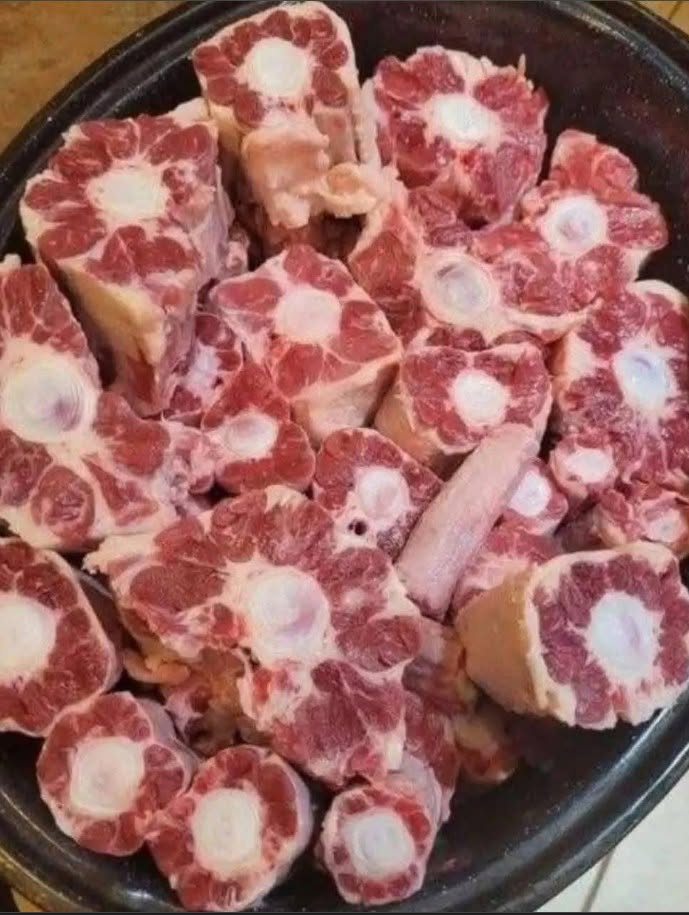
Have you ever found an unfamiliar cut of meat at the butcher shop or supermarket and wondered what it was called? Different cuts can look surprisingly similar, yet each one has its own texture, flavor, and best cooking method.
Identifying the cut correctly can make a big difference in the kitchen. Some cuts are naturally tender and perfect for quick cooking, while others become wonderfully soft and flavorful when cooked slowly.
How to Identify a Cut of Meat
When trying to identify a cut, pay attention to a few important details:
1. The Shape and Size: Long, narrow pieces may come from the shoulder, leg, or other muscle groups, while thicker, rounded cuts may come from different sections of the animal.
2. The Amount of Fat: Marbling, or small streaks of fat running through the meat, can influence tenderness and flavor. A layer of fat on the outside can also help keep certain cuts moist during cooking.
3. The Texture and Grain: The direction and thickness of the muscle fibers can offer clues about the cut. Meat from muscles that do more work is often tougher and may benefit from slow cooking.
4. The Bone Structure: If the meat contains a bone, its shape and position can help a butcher identify the cut more accurately.
Keep in mind that appearance alone may not be enough to identify a cut with certainty.
Delicious Ways to Cook Different Cuts of Meat
Once you know which cut you have, choosing the right cooking method becomes much easier.
1. Slow-Cooked Beef
Tougher beef cuts, such as chuck or brisket, are excellent for slow cooking. Simmer them with onions, garlic, broth, herbs, and your favorite vegetables until the meat becomes tender and flavorful.
2. Oven-Roasted Meat
Tender roasts can be seasoned with salt, black pepper, garlic, rosemary, and olive oil before being roasted in the oven. Use a meat thermometer to check when the center reaches a safe temperature appropriate for the cut.
3. Grilled Meat
Naturally tender cuts are often ideal for grilling. Season them simply, cook over suitable heat, and allow the meat to rest before slicing.
4. Hearty Meat Stew
Cuts rich in connective tissue can become deliciously tender in a stew. Combine the meat with carrots, potatoes, onions, tomatoes, and spices for a comforting meal.
5. Braised Meat
Braising involves browning the meat first and then cooking it slowly in a covered pot with a small amount of liquid. This method is especially useful for tougher cuts that need time to soften.
How to Make Sure Your Meat Stays Tender
Avoid cooking every cut the same way. Tender steaks generally benefit from shorter cooking times, whereas tougher cuts often need low, slow cooking to break down connective tissue.
For the best results, slice cooked meat against the grain when appropriate, season it well, and use a thermometer rather than relying on appearance alone to determine food safety.
Help Me Solve the Mystery!
Now it’s your turn! If you have a photo of the meat, share it in the comments. Include whether it is beef, pork, lamb, or another type of meat, if you know, and mention where you bought it.
Can you identify this cut of meat? What would you cook with it: a juicy roast, a hearty stew, or a slow-cooked dish? Share your ideas and favorite recipes in the comments!