
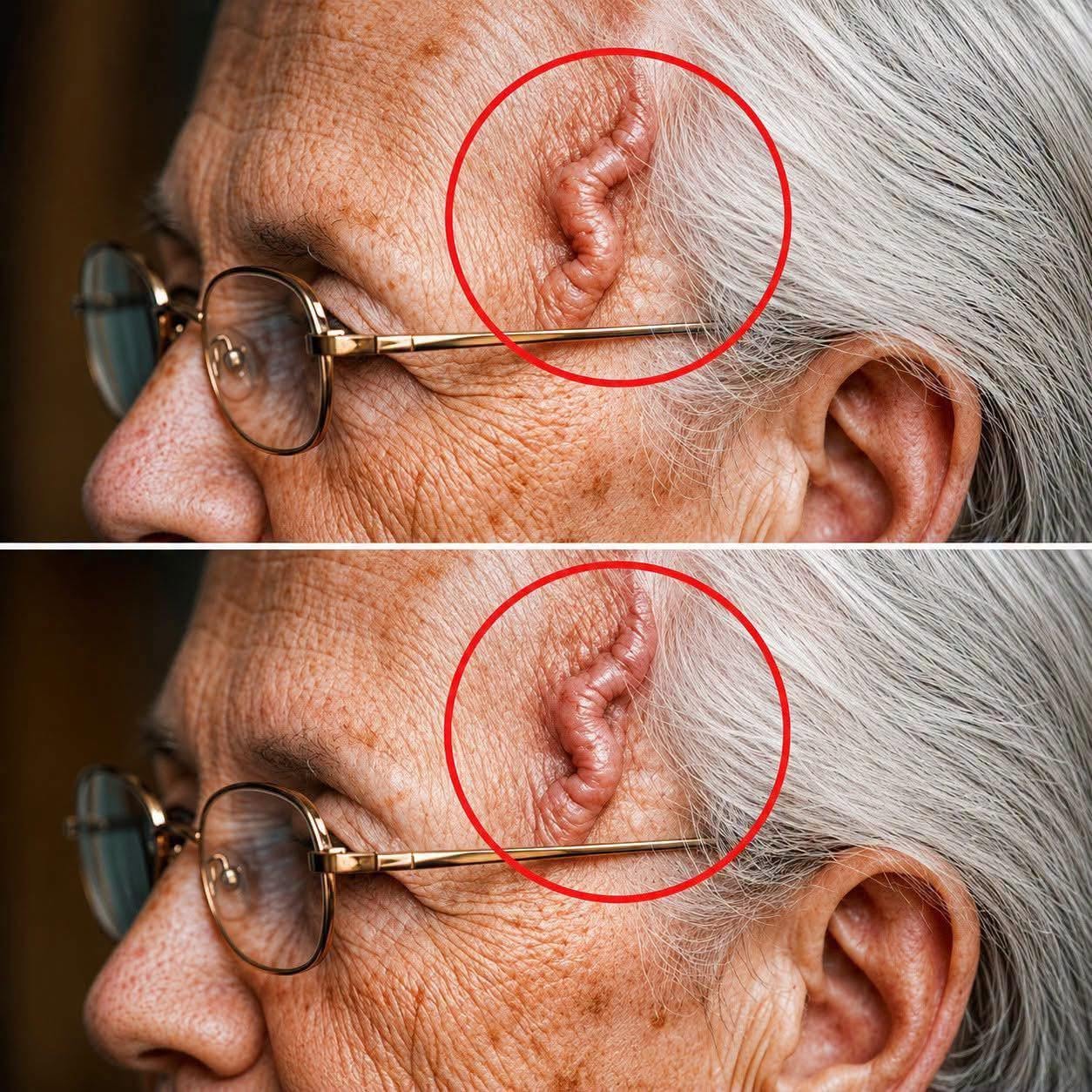
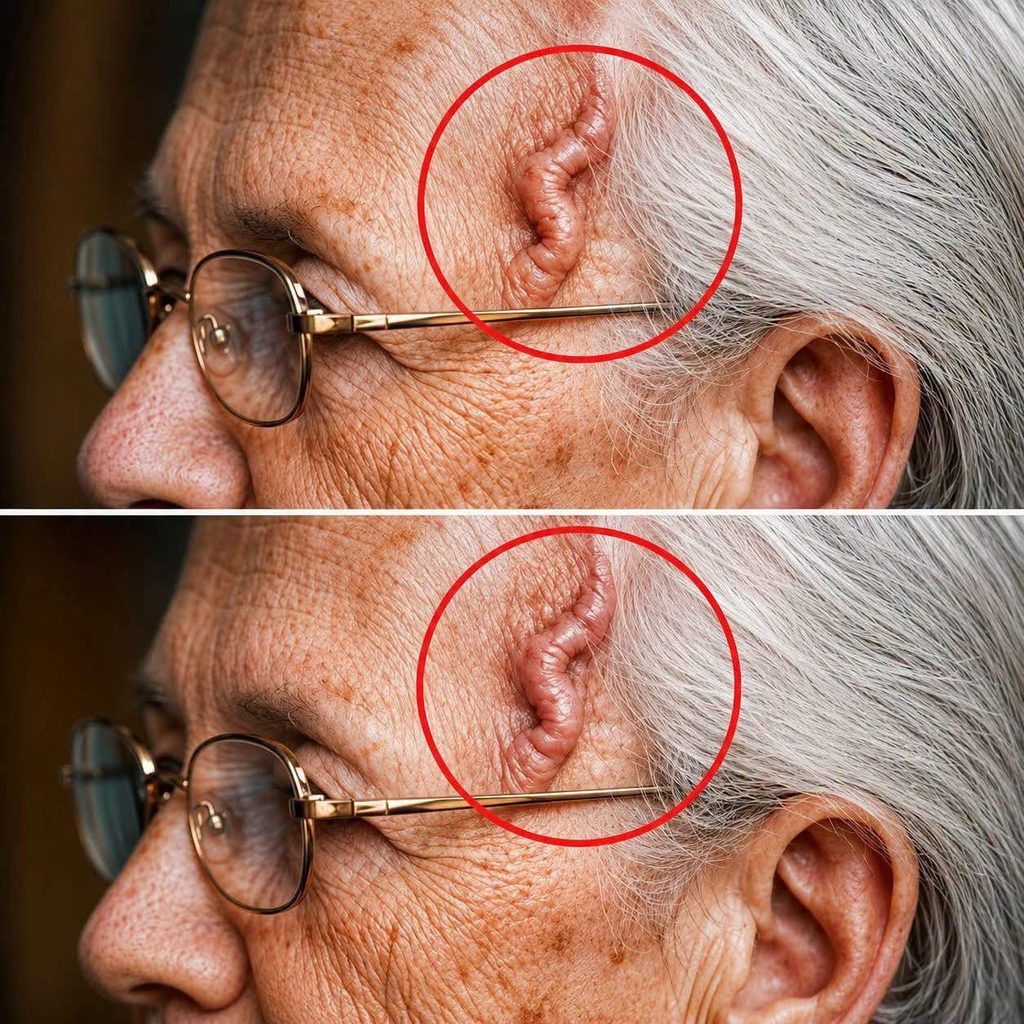
Have you ever noticed a diagonal crease running across your earlobe? This small detail has attracted attention from researchers because some studies have found an association between certain earlobe creases and cardiovascular disease.
Known as Frank’s sign, this crease typically runs diagonally from near the ear canal toward the lower edge of the earlobe. Although it may look like an ordinary wrinkle, researchers have investigated whether it could provide clues about heart health.
But does having this crease mean you have a heart problem? The answer is more complicated than many headlines suggest.
What Is Frank’s Sign?
Frank’s sign is a diagonal line or fold across one or both earlobes. It was named after the physician who described it in the 1970s.
The crease may become more noticeable with age, and not everyone who has it has cardiovascular disease. Earlobe creases can also occur in people without known heart problems.
1. What Does Research Say About Heart Disease?
Some observational studies have reported an association between diagonal earlobe creases and coronary artery disease, a condition in which the blood vessels supplying the heart become narrowed.
Researchers have proposed several possible explanations, including age-related changes in connective tissue and small blood vessels. However, the exact biological relationship remains uncertain.
Importantly, an association does not prove that the crease causes heart disease or that it reliably predicts an individual’s risk.
2. Does Having the Crease Mean You Have a Heart Problem?
No. A systematic review of 13 studies involving 3,951 patients found that the crease alone did not have sufficient diagnostic accuracy to identify coronary artery disease reliably. <Cite refs={[“turn783957search6″,”turn783957search3”]}/>
This means:
- You can have an earlobe crease without having heart disease.
- You can have heart disease without an earlobe crease.
- The crease should not replace medical examinations or established cardiovascular risk assessments.
3. What Should You Do If You Notice This Crease?
Rather than worrying about the appearance of your earlobe, focus on the factors known to influence heart health:
- Check your blood pressure and cholesterol when appropriate.
- Avoid smoking and stay physically active.
- Maintain a balanced diet and manage diabetes if applicable.
- Discuss your overall cardiovascular risk with a healthcare professional if you have concerns.
If you experience chest pressure, shortness of breath, cold sweats, or pain spreading to your arm, back, neck, or jaw, seek emergency medical care.
The Bottom Line
A diagonal earlobe crease may be associated with cardiovascular disease, but it is not a reliable way to diagnose a heart condition. Research is ongoing, and the crease is best viewed as a possible clue rather than a warning sign that proves something is wrong.
Have you ever noticed a diagonal crease on your earlobe? Share your thoughts in the comments, but remember that only an appropriate medical assessment can help evaluate your heart health.
Scientific references: