
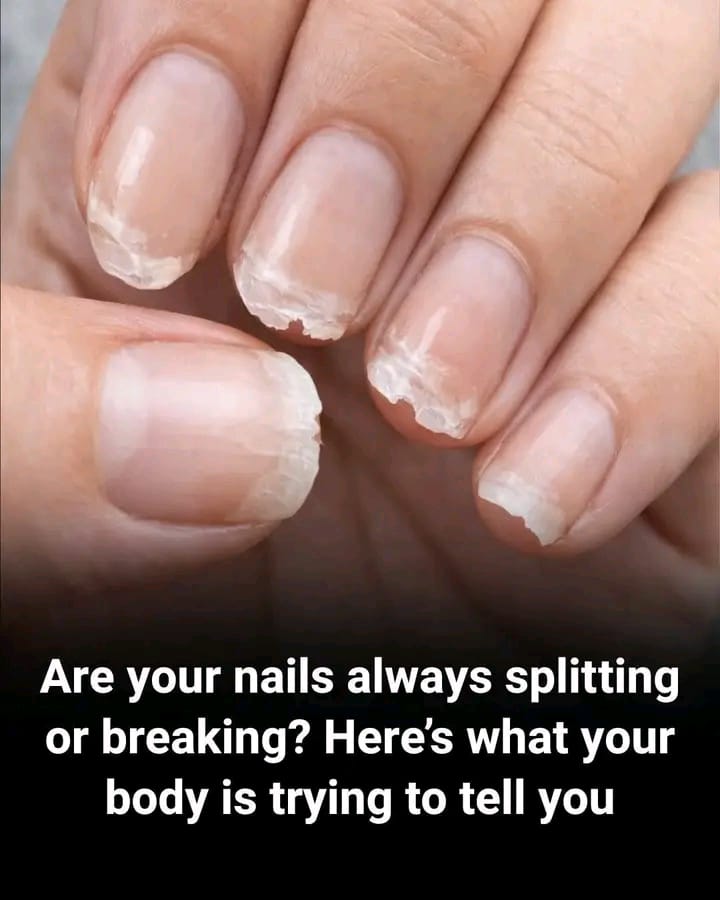
Weak or Brittle Nails: What Your Body Is Trying to Tell You
Have your nails started splitting, peeling, or breaking more easily than they used to? Perhaps you’ve noticed ridges, unusual discoloration, or nails that seem thinner and weaker than before.
Although brittle nails are often caused by everyday wear and tear, they can sometimes be associated with nutritional deficiencies, thyroid problems, or other health conditions. Understanding the possible causes can help you decide whether simple nail-care changes are enough or whether you should speak with a healthcare professional.
The good news is that many cases of brittle nails improve with gentle care and by addressing the underlying cause.
What Are Brittle Nails?
Brittle nails are nails that split, peel, crack, or break easily. The medical term for splitting nail plates is onych oschizia, commonly referred to as onychoschizia.
Nails naturally change as we age. They may grow more slowly, develop ridges, or become more fragile. Frequent exposure to water, cleaning products, nail polish removers, and repeated manicures can also weaken them. <Cite refs={[“turn330288search0″,”turn330288search1”]}/>
However, when nail changes are persistent, unexplained, or accompanied by other symptoms, it is worth investigating further.
7 Possible Reasons Your Nails Are Weak or Brittle
1. Iron Deficiency
Iron helps your body produce hemoglobin, the protein in red blood cells that carries oxygen. When iron levels become too low, some people develop nail changes, including thin, fragile, or spoon-shaped nails.
Other possible symptoms of iron-deficiency anemia include:
- Persistent tiredness or weakness.
- Pale skin.
- Shortness of breath during activity.
- Dizziness or headaches.
- Noticeable heartbeats or palpitations.
These symptoms are not specific to iron deficiency, and brittle nails alone do not establish a diagnosis.
If you suspect low iron, a healthcare professional can arrange appropriate blood tests and investigate the cause. Avoid taking iron supplements without medical advice, because unnecessary iron can be harmful. <Cite refs={[“turn330288search3″,”turn330288search9”]}/>
2. Thyroid Problems
The thyroid gland helps regulate metabolism and influences many body functions. Both an underactive thyroid and an overactive thyroid can sometimes affect nail health.
You may notice nails that break easily, peel, grow differently, or separate from the nail bed.
Other symptoms depend on the thyroid condition. An underactive thyroid, for example, may cause fatigue, increased sensitivity to cold, constipation, and dry skin.
If nail changes occur alongside these symptoms, ask your healthcare professional whether thyroid testing is appropriate. Nail appearance alone cannot determine whether your thyroid is functioning normally. <Cite refs={[“turn330288search2″,”turn330288search4”]}/>
3. Not Getting Enough Essential Nutrients
Healthy nail growth depends on adequate overall nutrition. Insufficient protein or certain nutrient deficiencies may contribute to changes in nail growth and strength.
Iron and zinc are among the nutrients associated with nail health, while severe nutritional deficiencies can affect nails in several ways.
A balanced diet can support normal growth. Consider including:
- Eggs, fish, poultry, beans, and lentils for protein.
- Lean meat, legumes, and leafy green vegetables for iron.
- Nuts, seeds, whole grains, and seafood for zinc.
- A variety of fruits and vegetables for vitamins and other nutrients.
However, brittle nails do not automatically mean you have a vitamin deficiency. Supplements are most useful when a specific deficiency or medical need has been identified.
4. Frequent Contact With Water and Cleaning Products
One of the most common causes of brittle nails is repeated exposure to water and household chemicals.
Nails absorb water and expand, then contract as they dry. Repeated wetting and drying can weaken the nail structure, making splitting and peeling more likely. Detergents, solvents, and harsh cleaning products can add to the damage. <Cite refs={[“turn330288search0″,”turn330288search2”]}/>
What you can do:
- Wear protective gloves when washing dishes or cleaning.
- Dry your hands and nails thoroughly after washing.
- Apply hand cream regularly, including around the nails.
- Avoid using your fingernails to open packages or scrape surfaces.
These small changes can make a meaningful difference when environmental exposure is the main cause.
5. Excessive Manicures and Nail Products
Frequent gel manicures, acrylic nails, aggressive filing, and repeated use of acetone-based nail polish removers may contribute to nail dryness, peeling, or damage.
Picking off gel polish can remove layers of the natural nail plate, leaving the nail thinner and more fragile.
To help your nails recover, consider taking a break from artificial nails and polish. Keep your nails at a manageable length, file gently in one direction, and avoid cutting or pushing back the cuticles aggressively.
If you develop persistent pain, swelling, or nail separation after using a nail product, seek medical advice.
6. Fungal Infections or Skin Conditions
Fungal nail infections may cause nails to become thick, discolored, crumbly, or distorted. The affected nail may separate from the nail bed.
Conditions such as psoriasis can also cause small pits, ridges, splitting, and nail separation. These changes may occur even when skin symptoms are mild.
If a nail becomes unusually thick, yellow, painful, or detached, a healthcare professional can help identify the cause. Treatment depends on whether the problem is an infection, a skin condition, or another nail disorder. <Cite refs={[“turn330288search1″,”turn330288search2”]}/>
7. Normal Aging and Certain Medical Conditions
As people get older, nails often grow more slowly and become more brittle. Fine lengthwise ridges may also become more noticeable.
In some cases, nail changes are associated with chronic conditions affecting the thyroid, kidneys, liver, circulation, or general nutrition. Certain medications may also influence nail growth and appearance. <Cite refs={[“turn330288search5″,”turn330288search8”]}/>
This does not mean that every ridge or broken nail signals illness. Most nail changes are not caused by a serious condition. What matters is whether a change is new, persistent, unexplained, or accompanied by other symptoms.
What Your Nail Changes May Mean
Different nail changes can have different explanations.
| Nail change | Possible explanation |
|---|---|
| Splitting or peeling at the tips | Frequent wetting and drying, harsh products, or aging |
| Thin, spoon-shaped nails | Sometimes associated with iron deficiency |
| Thick, yellow, crumbly nails | Possible fungal infection or other nail condition |
| Small pits or dents | Sometimes associated with psoriasis |
| Deep horizontal grooves | May follow illness, injury, or disruption of nail growth |
| A new dark streak on one nail | Needs prompt assessment to rule out a serious cause |
These are clues, not diagnoses. Nail appearance alone cannot reliably identify a particular deficiency or disease. <Cite refs={[“turn330288search2″,”turn330288search8”]}/>
8 Simple Ways to Strengthen and Protect Your Nails
If your nails are brittle, a gentle nail-care routine may help prevent further damage.
1. Moisturize daily. Apply hand cream or petroleum jelly to your nails and cuticles, especially after washing your hands.
2. Wear protective gloves. Use suitable gloves when cleaning, washing dishes, or handling detergents.
3. Keep nails trimmed. Shorter nails are less likely to catch, bend, or split.
4. File gently. Smooth rough edges with a fine nail file and avoid aggressive buffing.
5. Take breaks from artificial nails. Give your natural nails time to recover from repeated polish, gel, or acrylic applications.
6. Eat a balanced diet. Include adequate protein and a variety of nutrient-rich foods.
7. Avoid picking or biting. These habits can damage the nail plate and surrounding skin.
8. Be cautious with supplements. Biotin is often marketed for stronger nails, but evidence supporting its routine use is limited. High doses can also interfere with certain laboratory tests, so discuss supplements with a healthcare professional before using them. <Cite refs={[“turn330288search0″,”turn330288search1”]}/>
When Should You See a Doctor?
Consider arranging a medical appointment if your nails remain brittle despite improved care or if you notice unexplained changes in their color, shape, thickness, or growth.
Seek medical advice if:
- Several nails become weak or change unexpectedly.
- Your nails become spoon-shaped or markedly distorted.
- The skin around a nail becomes red, swollen, warm, or painful.
- A nail becomes detached without a clear injury.
- Nail changes occur with persistent fatigue, weakness, or other unexplained symptoms.
A new dark streak in a nail, particularly one that widens or affects the surrounding skin, should be assessed promptly by a healthcare professional.
Depending on the findings, your clinician may examine the nails, review your medications and diet, or order blood tests or tests for fungal infection.
Final Thoughts
Weak or brittle nails are often the result of aging, frequent exposure to water, harsh cleaning products, or nail treatments. Sometimes, however, they can be associated with iron deficiency, thyroid disorders, fungal infections, or other health conditions.
Start by protecting your nails, moisturizing regularly, and maintaining a balanced diet. If the changes persist or appear alongside other symptoms, seek medical advice rather than relying on supplements or home remedies alone.
Your nails can provide useful clues about your health, but they are only one part of the picture. A proper assessment is the best way to understand what is causing the problem.
Have you noticed your nails becoming weaker, splitting, or peeling? Share your nail-care tips or questions in the comments.
Medical disclaimer: This article is for educational purposes only and is not a substitute for professional medical advice, diagnosis, or treatment.
WordPress SEO Settings
- SEO title: Weak or Brittle Nails: 7 Causes and How to Strengthen Them
- URL slug:
weak-brittle-nails-causes - Meta description: Discover 7 possible causes of weak or brittle nails, including aging, iron deficiency, and thyroid problems, plus practical tips to protect nail health.
- Focus keyphrase: weak or brittle nails
- Category: Health and Wellness
- Suggested featured image: A close-up of natural, brittle fingernails beside a hand applying moisturizing cream.
Correct the medical term spellingReplace citation placeholders with publish-ready text