
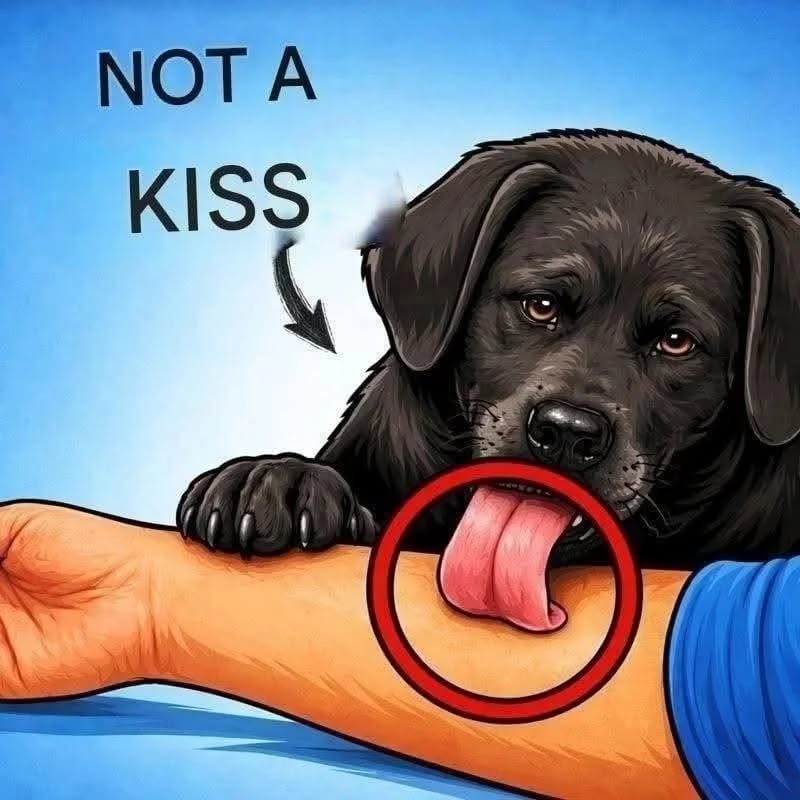
If your dog regularly licks your hands, face, or feet, you may wonder what this behavior means. Is your dog showing affection, asking for attention, or trying to tell you something?
Dogs use licking as a natural form of communication, and the reasons behind it can vary depending on the situation, your dog’s personality, and the behavior of the people around them.
Understanding why dogs lick can help you better recognize their needs and strengthen your relationship with your furry companion.
1. Your Dog May Be Showing Affection
One of the most common reasons dogs lick people is social bonding. Dogs are social animals, and licking can be part of the way they interact with members of their family.
When your dog gently licks your hand or face while resting beside you, it may be seeking closeness or expressing friendly behavior.
However, licking does not always mean affection. It is important to consider your dog’s body language and the circumstances surrounding the behavior.
2. Your Dog Wants Your Attention
Have you noticed that your dog starts licking you when you are busy, watching television, or using your phone?
Your dog may have learned that licking gets a reaction. If you respond by petting, talking to, or playing with your dog, the behavior may become more frequent.
If you want to encourage calmer ways of asking for attention, reward your dog when it sits quietly beside you or gently nudges your hand instead.
3. Your Skin Tastes Interesting
Human skin naturally contains salt from sweat, as well as oils and other substances that may attract dogs.
After exercise or on a warm day, your dog may be particularly interested in licking your hands, arms, or legs.
Some dogs are also attracted to the smell or taste of food residue on your fingers.
Avoid allowing your dog to lick skin that has recently been exposed to lotions, medications, cleaning products, or other potentially harmful substances.
4. Licking Can Be a Form of Social Communication
Dogs sometimes lick people as part of their natural social behavior. Puppies may lick their mothers, and adult dogs may use licking during friendly interactions.
A dog may also lick to communicate appeasement or to respond to a situation that feels uncertain.
Look at the rest of your dog’s body language. A relaxed posture and loose movements can suggest comfort, while a tucked tail, lowered body, repeated lip licking, or attempts to move away may indicate stress or discomfort.
5. Your Dog May Be Feeling Anxious
Occasional licking is normal, but repetitive or excessive licking can sometimes be associated with stress, anxiety, or discomfort.
For example, a dog may lick its owner repeatedly during unfamiliar situations, thunderstorms, or periods of separation.
Try to identify possible triggers and provide a calm, predictable environment. If the behavior is persistent, difficult to interrupt, or accompanied by other changes, consult a veterinarian. A veterinary professional can help determine whether a medical problem or behavioral concern is involved.
6. Why Do Dogs Lick Your Face?
Face licking is common, but it does not have one universal meaning. Your dog may be seeking attention, exploring an interesting scent, or engaging in familiar social behavior.
Although a quick lick is usually not a reason to panic, it is best to avoid allowing dogs to lick your mouth, eyes, open wounds, or damaged skin. Dogs’ mouths contain bacteria that can occasionally cause infections in humans.
People with weakened immune systems should be especially cautious.
Should You Let Your Dog Lick You?
Whether you allow licking is a personal choice. If you enjoy the behavior, keep interactions hygienic and avoid contact with sensitive areas.
If you prefer that your dog not lick you, calmly move away and reward alternative behaviors such as sitting beside you. Consistency is more effective than shouting or punishing your pet.
If your dog suddenly begins licking excessively, develops skin irritation, vomits, seems uncomfortable, or shows other unusual symptoms, arrange a veterinary assessment.
Final Thoughts
When a dog licks you, it may be seeking affection, attention, exploring a taste or smell, or communicating a feeling. The behavior is common, but its meaning depends on the context.
Paying attention to your dog’s body language and changes in behavior can help you understand what your companion may need.
Does your dog lick your hands, face, or feet the most? Tell us in the comments, and share this article with another dog lover!