

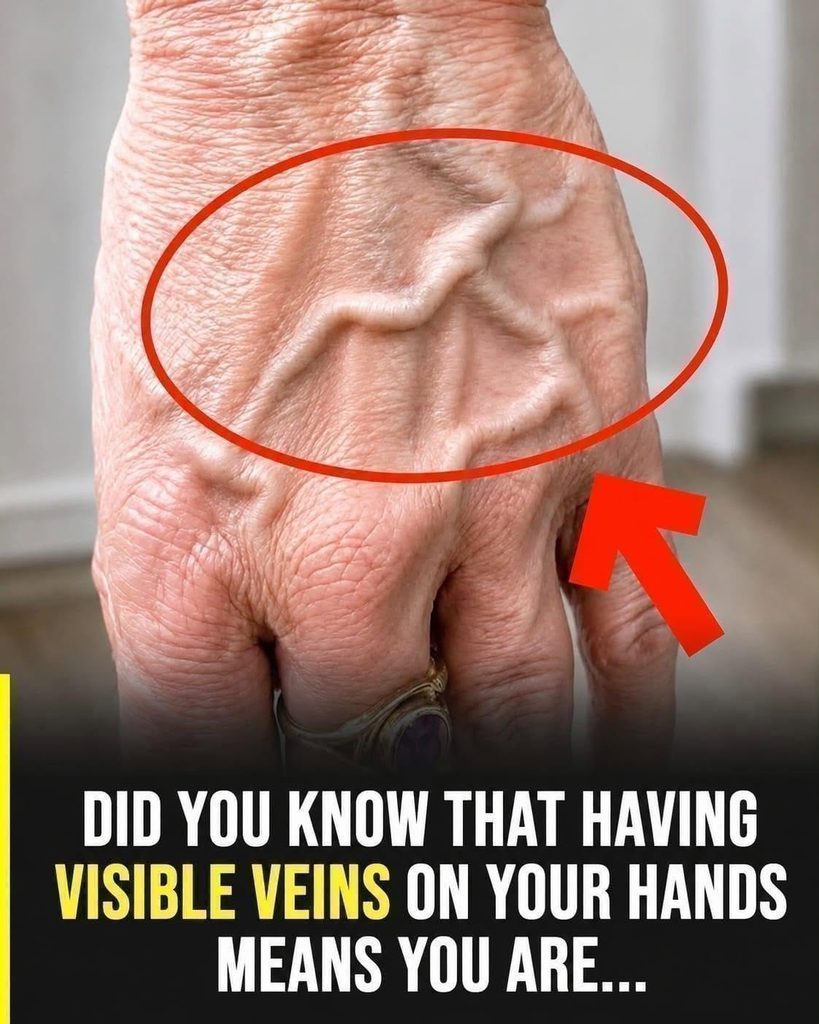
Have you noticed blue or green veins becoming more visible on your hands, arms, legs, or feet? Although prominent veins can sometimes look alarming, they are often a normal feature of the body’s circulatory system.
However, changes in the appearance of your veins can occasionally indicate an underlying medical condition. Understanding the common causes, recognizing warning signs, and knowing when to seek medical advice can help you make informed decisions about your health.
Why Are Your Veins Becoming More Visible?
Several factors can make veins appear more prominent. In many cases, these changes are harmless and do not require treatment.
1. Aging and Changes in the Skin
As we age, the skin gradually becomes thinner and loses some of its elasticity. The layer of fat beneath the skin may also decrease, making the veins underneath more noticeable.
This is particularly common on the backs of the hands, where superficial veins can become increasingly visible over time.
2. Low Body Fat
People with less fat beneath their skin may have more prominent veins because there is less tissue covering them. This can be particularly noticeable on the arms, hands, and legs.
Visible veins alone, however, do not indicate whether a person’s weight or overall health is normal.
3. Exercise and Physical Activity
During exercise, increased blood flow can cause veins to temporarily become more noticeable. Weightlifting and other strenuous activities may make veins appear larger, especially in the arms.
This effect often becomes less pronounced after the body returns to its resting state.
4. Heat and Warm Weather
High temperatures can cause blood vessels near the skin’s surface to widen, making veins more visible. Hot showers and warm environments may temporarily increase their prominence.
5. Genetics
Some people naturally have more visible veins because of inherited differences in skin thickness, vein position, and body composition.
If your veins have always been prominent and you have no other symptoms, this may simply be a normal characteristic of your body.
When Visible Veins May Indicate a Medical Problem
Although prominent veins are often harmless, certain changes deserve attention.
Varicose Veins
Varicose veins are enlarged, twisted veins that most commonly develop in the legs. They occur when valves inside the veins do not work properly, allowing blood to collect in the affected vessels.
Possible symptoms include aching, heaviness, itching, swelling around the ankles, and veins that appear raised or twisted.
A healthcare professional can assess the symptoms and recommend appropriate treatment if necessary.
Chronic Venous Insufficiency
This condition develops when veins have difficulty returning blood from the legs toward the heart. Blood can accumulate in the lower limbs, causing swelling, discomfort, skin changes, and sometimes wounds near the ankles.
Persistent leg swelling or skin discoloration should be evaluated by a healthcare professional.
Blood Clots
A blood clot in a deep vein, known as deep vein thrombosis (DVT), can cause swelling, pain, tenderness, and warmth, usually affecting one leg. Sometimes, the symptoms are subtle or absent.
A blood clot cannot be diagnosed by looking at visible veins alone.
Seek urgent medical assessment if you develop unexplained swelling or pain in one leg or arm, particularly when accompanied by warmth or redness. Sudden difficulty breathing, chest pain, or coughing up blood requires emergency medical care because these symptoms may indicate a pulmonary embolism.
Warning Signs You Should Never Ignore
Pay attention to the following changes:
- A vein that suddenly becomes painful, hard, red, or warm.
- New or unexplained swelling in one arm or leg.
- Persistent discomfort, heaviness, or skin changes around prominent leg veins.
- Bleeding from a visible vein.
- Skin sores near the ankles that do not heal.
These symptoms do not always indicate a serious condition, but they may require medical evaluation.
Can You Reduce the Appearance of Visible Veins?
The appropriate approach depends on why the veins are prominent.
If they are visible because of normal aging, genetics, or thin skin, treatment may not be necessary.
For people with varicose veins or symptoms related to venous circulation, a healthcare professional may recommend regular walking, leg elevation, compression stockings when appropriate, or medical procedures.
Compression stockings are not suitable for everyone, particularly people with certain arterial circulation problems, so professional guidance is important before using them for persistent symptoms.
Staying physically active and avoiding prolonged periods of sitting or standing may also support healthy circulation.
How Are Vein Problems Evaluated?
A healthcare professional may examine the affected area, ask about your symptoms and medical history, and determine whether further testing is necessary.
If a blood clot or venous disorder is suspected, an ultrasound examination may be used to assess blood flow and examine the veins.
The timing of the change, the location of the veins, and any accompanying symptoms are often more informative than their appearance alone.
Final Thoughts
Visible veins do not automatically mean something is wrong. Aging, genetics, exercise, heat, and low body fat can all make veins more noticeable without indicating illness.
The important distinction is between veins that have always been visible and veins that change suddenly or become painful, swollen, red, or warm.
Pay attention to your symptoms rather than appearance alone, and seek medical advice when something changes unexpectedly. Recognizing warning signs early can help you receive appropriate care when it is needed.
Have you noticed your veins becoming more visible over time, especially on your hands or legs? Share your experience in the comments!