
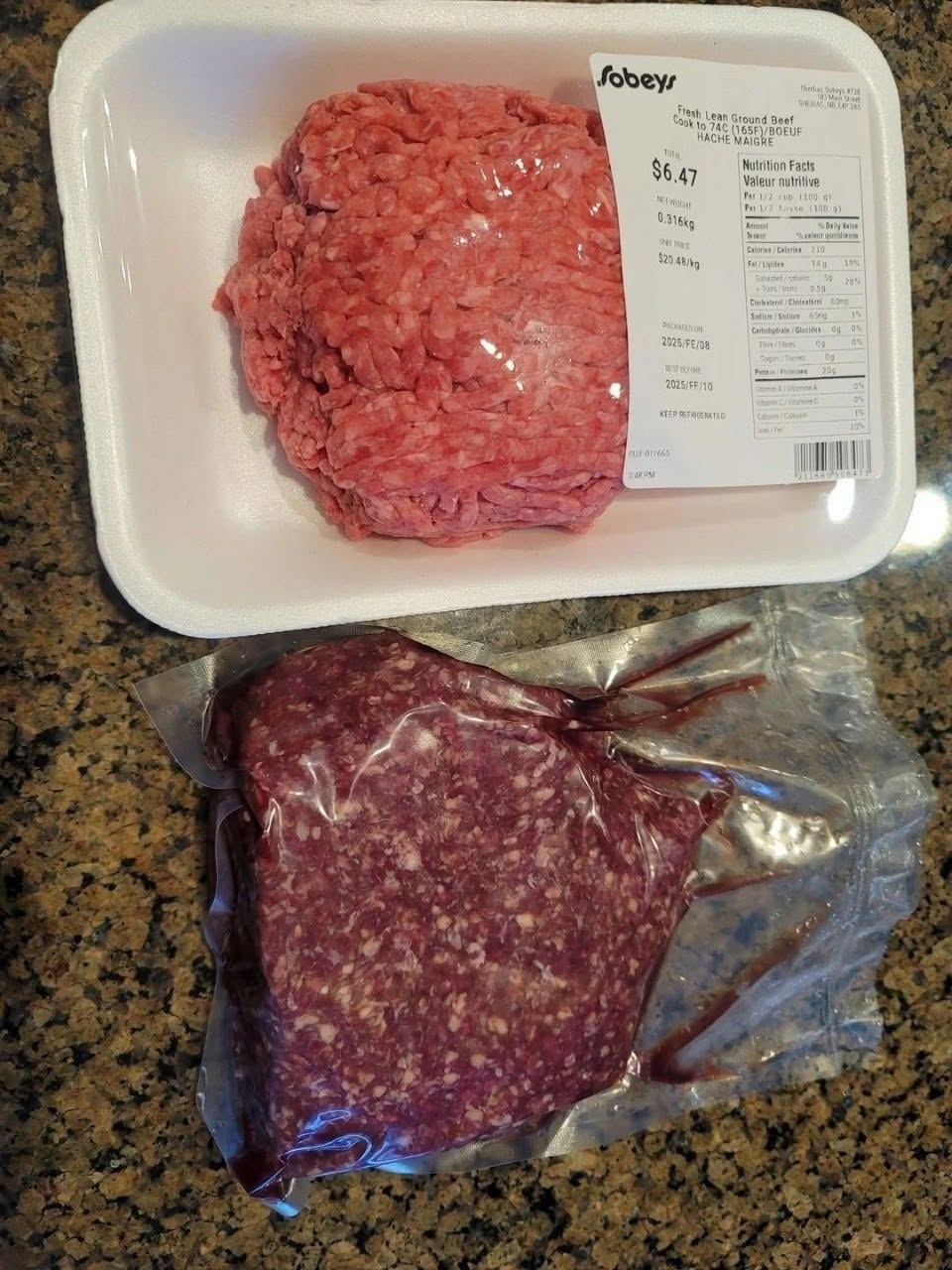
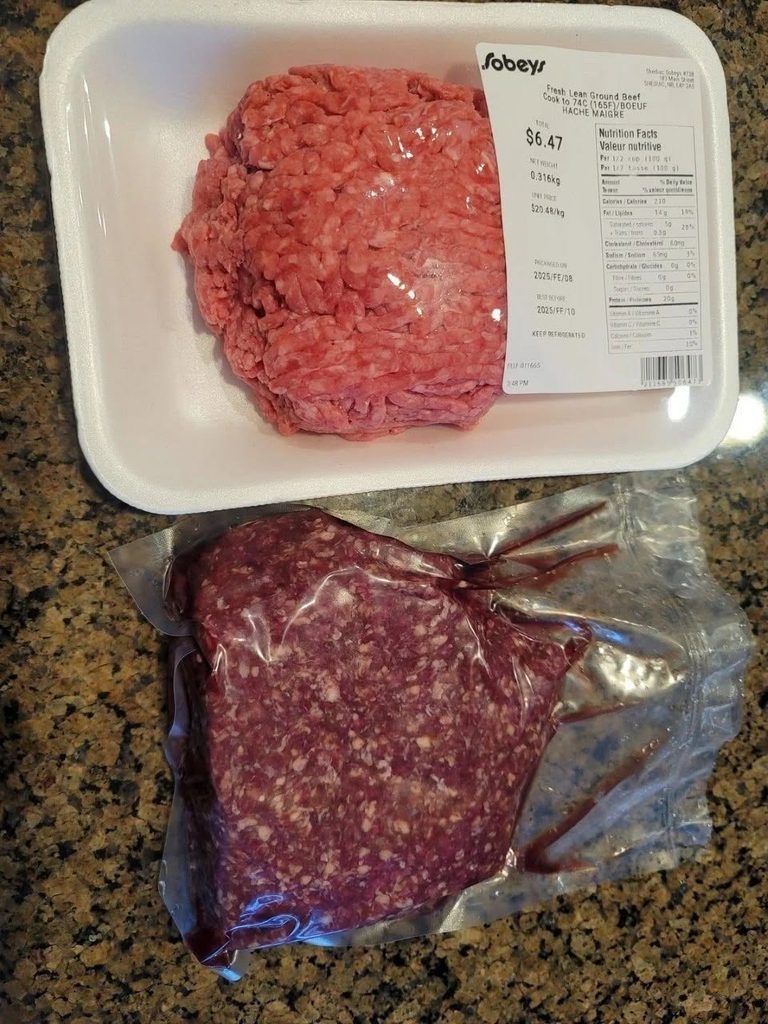
Buying meat at the supermarket is part of everyday life for many families. But have you ever stopped to think about where your meat comes from, how it is processed, and what the labels on the packaging really mean?
Although supermarket meat is generally subject to food safety regulations, understanding how to choose and store it can help you make more informed decisions.
Where Does Supermarket Meat Come From?
Supermarket meat may come from local farms, regional suppliers, or international producers. Before reaching the shelves, it typically passes through slaughterhouses, processing facilities, packaging operations, and distribution networks.
The exact journey depends on the type of meat, the supplier, and the country where it is sold. Supermarkets are generally required to follow applicable food safety and labeling rules, although requirements vary by location.
What Do Meat Labels Really Tell You?
Labels provide important information, but not every term means what shoppers might assume.
Country of origin: Depending on local regulations and the product, the label may identify where an animal was raised, slaughtered, or processed.
Use-by date: This is particularly important for perishable meat. Follow the date and storage instructions on the package.
Sell-by date: Where used, this generally helps retailers manage inventory and does not necessarily indicate that the meat becomes unsafe immediately afterward.
Fresh or previously frozen: Check whether the packaging identifies the product as previously frozen or provides instructions about freezing and thawing.
Ingredient list: Ground, seasoned, marinated, or otherwise processed meat products may contain additional ingredients that are worth checking.
How Can You Recognize Meat That Has Been Stored Properly?
A few practical checks can help when shopping.
- Check the packaging. Avoid packages that are leaking, torn, or damaged.
- Look at the temperature. Refrigerated meat should be kept properly chilled, and frozen meat should remain frozen.
- Read the dates. Choose products within their recommended use period.
- Inspect the appearance. Unexpected discoloration, damaged packaging, or unusual texture may be reasons to choose another product.
- Pay attention to the smell after opening. A strong, unpleasant odor can indicate spoilage, but the absence of an unpleasant smell does not guarantee safety.
Remember that color alone cannot reliably determine whether meat is safe to eat. Some natural color changes occur during storage, while harmful bacteria may be present without obvious signs.
Is Cheaper Meat Always Lower Quality?
Not necessarily. Price differences can reflect the cut, animal breed, production method, brand, packaging, and supply chain. A lower price does not automatically mean that meat is unsafe or inferior.
Instead of judging quality by price alone, compare the product information, storage conditions, ingredients, and available origin details.
How to Store and Cook Meat Safely
Food safety does not end at the supermarket checkout.
Keep raw meat refrigerated promptly, separate it from ready-to-eat foods, and use different utensils or thoroughly wash them between tasks. Thaw frozen meat in the refrigerator rather than leaving it at room temperature.
Cook meat to a safe internal temperature appropriate for its type. A food thermometer is more reliable than judging doneness by color alone. Refrigerate leftovers promptly and follow local food safety recommendations.
Final Thoughts
You do not need to assume that supermarket meat is dangerous to become a smarter shopper. Understanding labels, checking packaging, maintaining the cold chain, and handling meat correctly are practical ways to protect your household.
The most important lesson is simple: make informed choices rather than relying on frightening headlines or rumors. If a claim suggests that supermarkets are selling a particular type of meat illegally or misleading customers, look for credible evidence from food safety authorities before accepting it as fact.